ヒドロキシピナコロンレチノエート安定性


:

2026-10-05

ヒドロキシピナコロンレチノエートの安定性

ヒドロキシピナコロン レチノエートの安定性はどうですか?HPRの光熱安定性、保存と配合上の注意点

ヒドロキシピナコロン レチノエート(Hydroxypinacolone Retinoate、略称HPR)は、現在化粧品において比較的注目されているビタミンA誘導体の一種です。原料調達担当者や処方エンジニアにとって、純度、溶解性、添加量のほかにも、
ヒドロキシピナコロン レチノエートの安定性
も非常に重要な指標です。

既存の研究から見ると、HPRは従来のレチノールと比較して良好な安定性を持っていますが、「安定性がより良い」とは、いかなる条件下でも分解しないという意味ではありません。HPRは依然として
光照射、高温、酸素、処方系および保存条件
などの要素に注意する必要があります。

一、ヒドロキシピナコロン レチノエートの安定性はどうですか?

総じて言えば、HPRはビタミンA系有効成分の中でも安定性の表現が比較的良好な一種です。

商業用化粧品中の複数のビタミンA系成分を対象とした安定性研究では、レチノール、レチニルパルミテート、β-カロテンおよびHydroxypinacolone Retinoateなどの成分について、長期、加速および光安定性試験が行われました。研究結果によると、研究対象となった数種類のビタミンA成分の中で、
HPRの安定性は比較的優れている
。

しかし研究により、配合によってビタミンA類成分の安定性に大きな差があることも判明しており、HPRが安定かどうかを判断するには、原料そのものだけでなく、最終的な化粧品処方と組み合わせてテストする必要がある。

したがって、より正確な表現は次のとおりである:

HPRは従来のレチノールと比べて安定性は良好だが、それでも遮光・温度管理・酸化の影響低減が必要なビタミンA類の活性原料である。

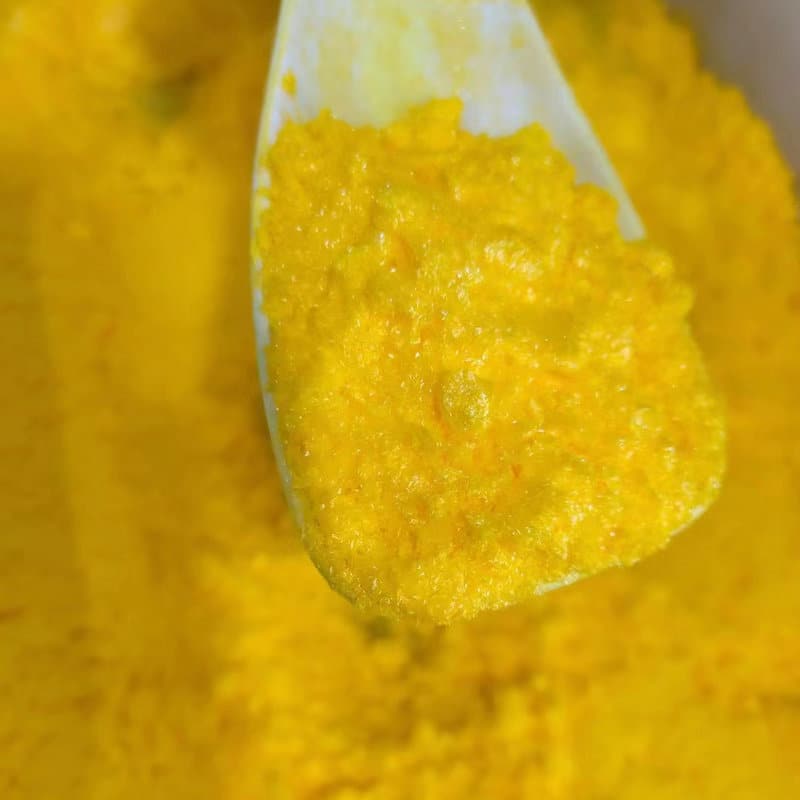
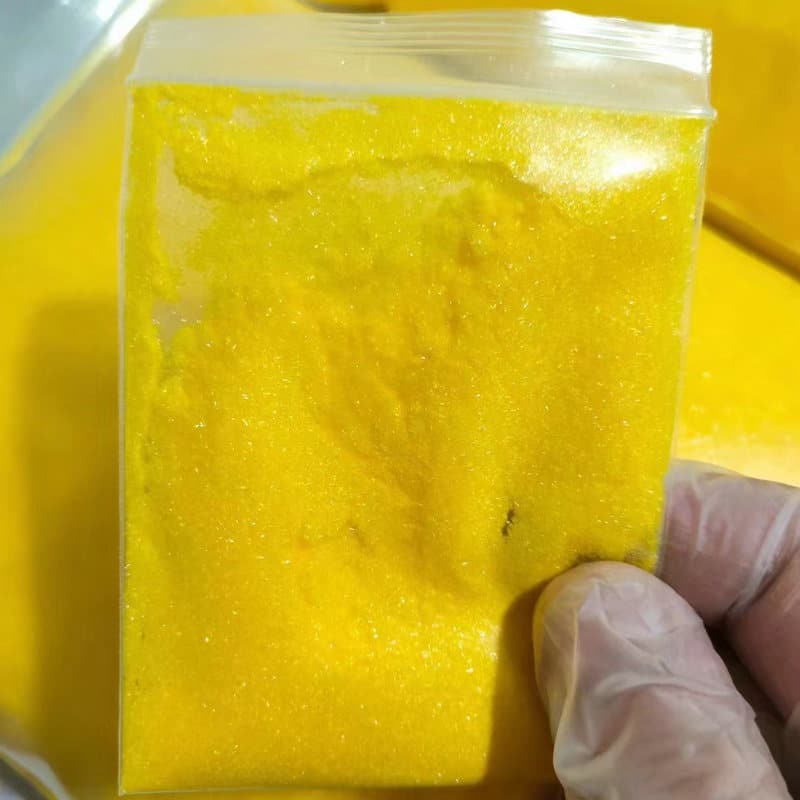
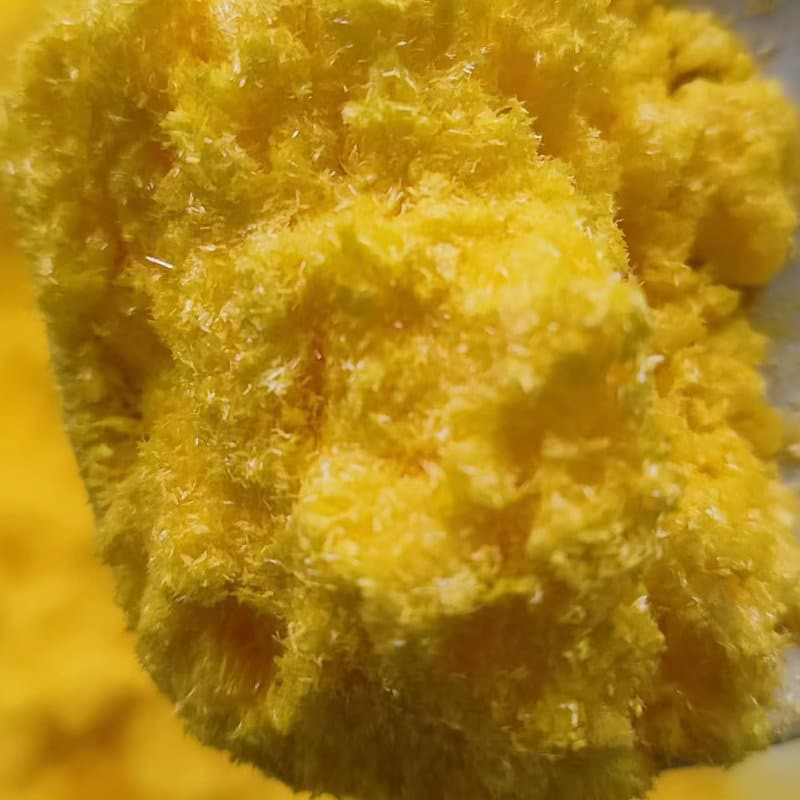
ヒドロキシピナコロンレチノエート安定性(1)

二、なぜHPRはレチノールより比較的安定なのか?

HPRの英語名はHydroxypinacolone Retinoate、CAS番号は
893412-73-2、分子式はC26H38O3、分子量は約398.58である。

HPRとレチノールはどちらもビタミンA類関連の活性成分だが、化学構造が異なるため、実際の処方における安定性の挙動にも違いがある。

既存の化粧品安定性研究では、HPRは試験された複数のビタミンA類成分の中で良好な化学的安定性を示している。ただし、HPR分子には光・熱・酸化環境の影響を受けやすい構造も依然として存在するため、「完全に安定」と単純に理解することはできない。

三、ヒドロキシピナコロンレチノエートの安定性に影響を与える主な要因

1. 光

光はHPRの安定性に影響を与える重要な要素の一つです。

ビタミンA類化合物は一般的に強い光感受性を持っています。Retinoidsの安定性に関する既存の研究では、テスト条件下において、
光による分解は単純な温度上昇よりも顕著になる可能性があることが分かっています。
。

そのため、HPR原料であれHPRを含む化粧品であれ、長時間の強い光や太陽光への暴露はできるだけ避けることをお勧めします。

パッケージ設計においては、以下を優先的に検討できます:

  • 不透明パッケージ;

  • 濃色ボトルまたは遮光パッケージ;

  • 透明パッケージの長時間にわたる強い光への暴露を減らす;

  • 原料パッケージは開封後すぐに密封する。

2. 温度

温度もまた、HPRの安定性に影響を与えます。

ビタミンA類成分の加速安定性試験に関する研究では、試験温度が上昇すると、有効成分の分解が通常は明らかに加速することが示されています。そのため、HPR原料は高温環境での長期保管は推奨されません。例えば、直射日光が当たる倉庫、車内、熱源の近くなどです。

ラボグレードのHPR製品資料では、2~8℃、4℃、またはそれ以下の温度での保管が推奨されていることが一般的ですが、製品形態や製造元によって要件が異なる場合があります。

具体的な保管温度は、該当ロットのTDS、SDS、COA、またはサプライヤーの技術資料に基づく必要があります。

3. 酸素および酸化環境

HPRは依然として一定の酸化感受性を有しています。

そのため、原料の保管および生産過程では、長時間の開放操作を減らす必要があります。開封後は速やかに密閉することで、空気との長期的な接触が原料の安定性に与える影響を低減できます。

要求の高い処方では、油相、抗酸化システム、包装形態、および生産プロセスを適切に設計することで酸化リスクを低減することも可能ですが、実際の効果は安定性試験によって確認する必要があります。

4. 酸・アルカリ環境

公開されている技術資料によると、HPRは強酸・強アルカリなどの環境下でも同様に安定性リスクが存在します。

そのため、化粧品処方の開発時には、理論上だけで特定の固定pHがHPRに適していると判断するのではなく、目的処方の実際のpH条件下でHPLC含量モニタリングと安定性試験を行うべきです。

5. 処方系

これは実際の応用において非常に見落とされやすい点です。

同じくHPRを添加しても、乳化系、油相、抗酸化系、可溶化系、包装、製造工程が異なれば、まったく異なる安定性結果が得られる可能性があります。

したがって、あるHPR含有処方が安定しているからといって、別の処方も同様に安定であると直接推断することはできません。
ヒドロキシピナコロンレチノエート安定性(2)

四、HPRは高温下で安定ですか?

HPRは長期間高温環境に置かれることには適していません。

既存のRetinoids安定性研究では、製品を25℃や40℃などの条件で試験しており、その結果、温度上昇によりビタミンA類成分の分解が起こる可能性が明らかに高まることが示されています。

そのため、HPRにとって、比較的高い温度は通常、次の用途により適しています:
加速安定性試験条件
であり、推奨される長期保存条件として理解すべきではありません。

特に夏季の輸送、倉庫保管、および最終製品の棚寿命設計においては、温度がHPR含量保持率に与える影響を考慮する必要があります。

五、HPRは光に弱いですか?

光に弱いです。

HPRは従来のRetinolよりも安定性の面で優れていますが、それでも光による安定性への影響を無視することはできません。

関連研究によると、Retinoidsの安定性試験において、光による分解の影響は非常に顕著です。そのため、HPR原料およびHPR配合製品にとって、
遮光は通常、長期安定性を高めるための基本的な対策の一つです
。

六、ヒドロキシピナコロンレチノエートはどのように保存すべきですか?

高純度HPR原料の場合、特に以下の点に注意することができます:

  • 遮光:
    直射日光や強い光が長時間当たるのを避けてください。

  • 低温:
    サプライヤーが指定する温度で保管してください。

  • 密封:
    開封後は速やかに密封し、空気との接触を減らしてください。

  • 高温を避ける:
    高温の倉庫や熱源の近くに長期間保管しないでください。

  • 開封の繰り返しを減らす:
    まとめて使用する場合は、実際の必要に応じて適切に小分けしてください。

  • 保管・輸送条件の管理:
    長距離輸送時は特に環境温度に注意する必要があります。

異なるメーカーが製造するHPRは、純度、結晶形、添加物体系、製品形態などに差異が生じる可能性があるため、具体的な保管温度や賞味期限は「HPR」という名称だけでは一律に判断できません。

購入時には、サプライヤーに同時に以下を請求することをお勧めします。
COA、SDS、TDSおよび安定性関連資料
。

七、化粧品処方におけるHPRの安定性をどのように高めるか?

処方開発の観点から検討する場合、以下の方向性で最適化を進めることができます。

1. 光照射の低減

製造、中間保管、最終包装の過程で長時間の強い光照射をできるだけ避け、一定の遮光性を有する包装材料を選択してください。

2. 製造温度の管理

HPRは検証なしに長時間高温加工にさらされるべきではありません。具体的な添加温度は、原料サプライヤーが提供する技術資料と最終処方の実験結果に基づいて決定する必要があります。

3. 抗酸化体系を適切に設計する

ビタミンA類の有効成分に対する酸化環境の影響を減らすことは、処方の安定性を高める一般的なアプローチの一つです。

しかし、抗酸化剤の種類、添加量、およびHPRとの相溶性は、実際の実験によって検証する必要があり、単一原料の理論データのみで判断することはできません。

4. カプセル化またはナノ送達技術を採用する

近年、リポソーム、超分子システム、ナノエマルション技術を利用してHPRの安定性を改善する研究が始まっています。

例えば、HPRをナノエマルション系に調製した研究では、一定の実験条件下で良好な保存安定性が得られ、光照射および高温条件下でのHPRの保持能力が向上しました。

これは、安定性に対する要求が高い製品にとって、カプセル化および送達システムが研究に値する技術的方向性であることを示しています。
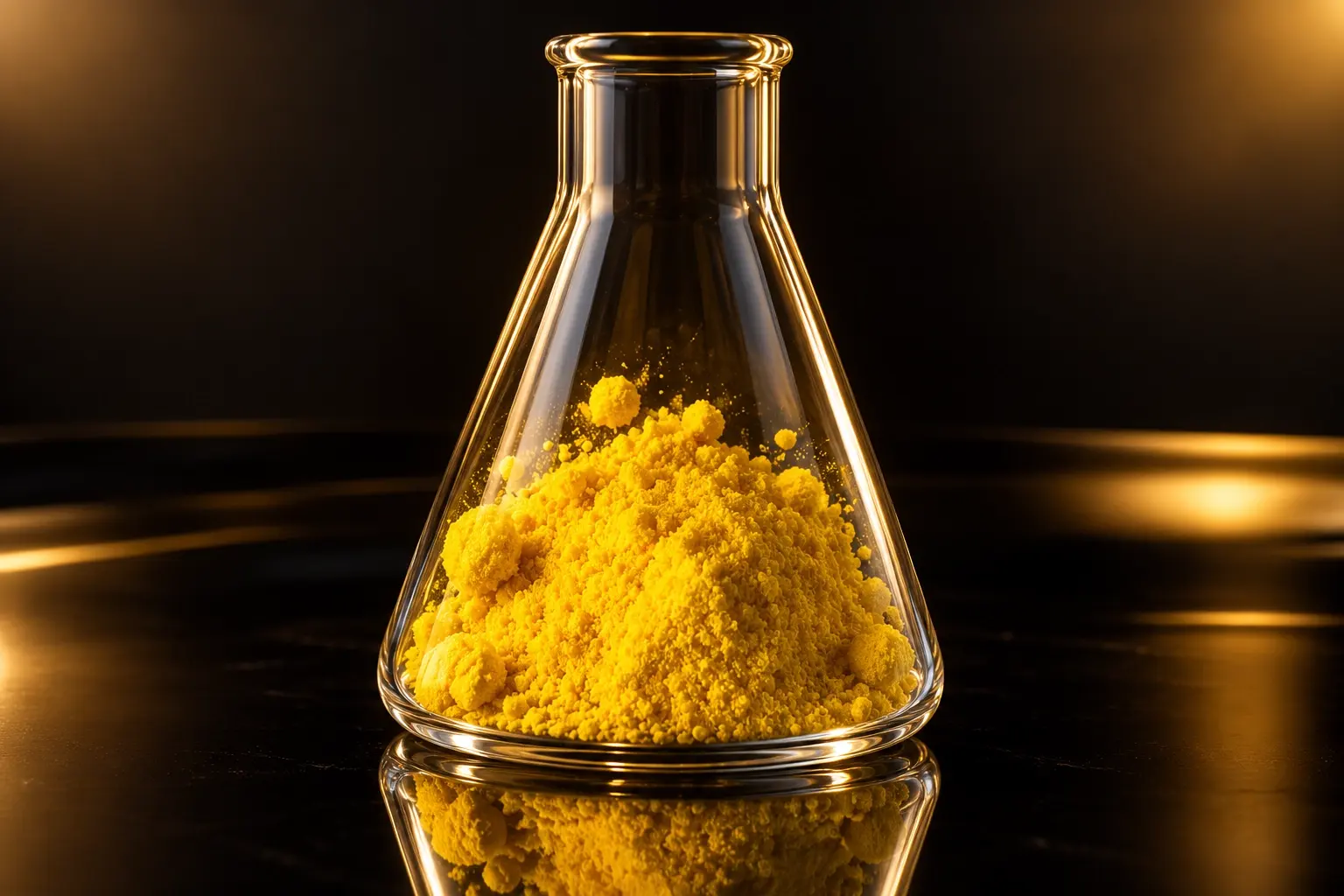
ヒドロキシピナコロンレチノエート安定性(3)

八、HPR処方が本当に安定しているかどうかをどう判断するか?

HPR処方の安定性を判断するには、製品の変色、分離、析出の有無を観察するだけでは不十分です。

製品の外観が正常に見えても、HPRの実際の含有量が低下していないとは限りません。

より信頼できる方法は、同時に評価することです
物理的安定性と化学的安定性
。

物理的安定性は以下を観察できます:

  • 色の変化;

  • においの変化;

  • 結晶析出;

  • 沈殿;

  • エマルションの分離;

  • 粘度変化;

  • pH変化。

化学的安定性は重点的に以下を検出します:

  • HPR初期含有量;

  • 異なる時点でのHPR含有量;

  • HPR保持率;

  • 明らかな分解生成物が出現するかどうか。

HPRの場合、HPLCは比較的よく用いられる含有量検出方法です。

例えば、製品研究開発のニーズに応じて常温、低温、高温、光照および冷熱サイクルなどの条件を設定し、異なる時点でHPR含有量の変化を検出することで、処方の長期安定性を判断できます。

九、HPRの安定性はRetinolより優れていますか?

既存の公開研究データから見ると、
HPRは多くの一般的なレチノイドの中で比較的優れた安定性を示しています
そのため、原料選定の観点からは確かに一定の優位性があります。

しかし「HPRは分解しない」と単純に言うことはできません。

HPRは依然として以下の要因の影響を受けます:

  • 光;

  • 温度;

  • 酸素;

  • 処方環境;

  • 包装;

  • 保存期間。

したがって、化粧品の研究開発担当者にとって、より合理的な考え方は、どのビタミンA成分が「最も安定しているか」を単純に比較することではなく、適切な原料を選定したうえで、処方、製造、包装、保管条件を組み合わせて、製品の全保存期間を通じた有効含量を確保することです。

十、ヒドロキシピナコロンレチノエートの安定性に関するよくある質問

HPRは常温で保存できますか?

短期間の取り扱いや輸送条件と、長期保管は同一に論じることはできません。高純度HPRの長期保管は、通常、サプライヤーが提供する低温・遮光条件に従って行うことが推奨され、具体的には該当製品のSDSまたはTDSに準じます。

HPRは遮光が必要ですか?

必要です。既存の資料によると、HPRは依然として光感受性を有するため、原料および完成品のいずれにおいても遮光を重視すべきです。

HPRは高温に耐えますか?

HPRを耐熱性原料と解釈することは推奨されません。高温はビタミンA系活性成分の分解リスクを高めるため、実際の処方に応じて製造温度および長期保管温度を決定する必要があります。

HPRとレチノールはどちらが安定していますか?

既存の研究では、HPRの安定性は、レチノールを含む複数の従来型レチノイドの試験結果よりも優れています。ただし、最終製品の安定性は依然として具体的な処方に大きく依存します。

なぜ一部のHPR製品は安定性が高く、一部は分解しやすいのか?

原因は通常、HPR原料そのものだけでなく、濃度、油相系、乳化系、抗酸化系、製造温度、包装、保管条件にも関係しています。

まとめ

ヒドロキシピナコロンレチノエートの安定性は全体的に従来のレチノールより優れていますが、外部環境の影響を全く受けないというわけではありません。

HPRは依然として光、高温、酸素、配合環境に注意する必要があります。高純度HPR原料については、サプライヤーの技術資料に従い、低温・遮光・密封で保管することを推奨します。化粧品配合については、HPLC含有量測定を組み合わせ、常温・高温・光照射および長期安定性試験を通じて最終製品の実際の安定性を確認する必要があります。

長期的な棚寿命が必要な製品や、有効成分の保持率に高い要求がある製品では、さらに抗酸化系、遮光包装、リポソーム、ナノエマルション、その他のカプセル化技術を研究し、実際の配合におけるHPRの安定性を高めることができます。

タグ:


情報をご入力ください

ご意見やご質問がございましたら、お気軽にお問い合わせください!

指定商品

We use cookie to improve your online experience. By continuing to browse this website, you agree to our use of cookie.

Cookies

Please read our Terms and Conditions and this Policy before accessing or using our Services. If you cannot agree with this Policy or the Terms and Conditions, please do not access or use our Services. If you are located in a jurisdiction outside the European Economic Area, by using our Services, you accept the Terms and Conditions and accept our privacy practices described in this Policy.
We may modify this Policy at any time, without prior notice, and changes may apply to any Personal Information we already hold about you, as well as any new Personal Information collected after the Policy is modified. If we make changes, we will notify you by revising the date at the top of this Policy. We will provide you with advanced notice if we make any material changes to how we collect, use or disclose your Personal Information that impact your rights under this Policy. If you are located in a jurisdiction other than the European Economic Area, the United Kingdom or Switzerland (collectively “European Countries”), your continued access or use of our Services after receiving the notice of changes, constitutes your acknowledgement that you accept the updated Policy. In addition, we may provide you with real time disclosures or additional information about the Personal Information handling practices of specific parts of our Services. Such notices may supplement this Policy or provide you with additional choices about how we process your Personal Information.


Cookies

Cookies are small text files stored on your device when you access most Websites on the internet or open certain emails. Among other things, Cookies allow a Website to recognize your device and remember if you've been to the Website before. Examples of information collected by Cookies include your browser type and the address of the Website from which you arrived at our Website as well as IP address and clickstream behavior (that is the pages you view and the links you click).We use the term cookie to refer to Cookies and technologies that perform a similar function to Cookies (e.g., tags, pixels, web beacons, etc.). Cookies can be read by the originating Website on each subsequent visit and by any other Website that recognizes the cookie. The Website uses Cookies in order to make the Website easier to use, to support a better user experience, including the provision of information and functionality to you, as well as to provide us with information about how the Website is used so that we can make sure it is as up to date, relevant, and error free as we can. Cookies on the Website We use Cookies to personalize your experience when you visit the Site, uniquely identify your computer for security purposes, and enable us and our third-party service providers to serve ads on our behalf across the internet.

We classify Cookies in the following categories:
 ●  Strictly Necessary Cookies
 ●  Performance Cookies
 ●  Functional Cookies
 ●  Targeting Cookies


Cookie List
A cookie is a small piece of data (text file) that a website – when visited by a user – asks your browser to store on your device in order to remember information about you, such as your language preference or login information. Those cookies are set by us and called first-party cookies. We also use third-party cookies – which are cookies from a domain different than the domain of the website you are visiting – for our advertising and marketing efforts. More specifically, we use cookies and other tracking technologies for the following purposes:

Strictly Necessary Cookies
These cookies are necessary for the website to function and cannot be switched off in our systems. They are usually only set in response to actions made by you which amount to a request for services, such as setting your privacy preferences, logging in or filling in forms. You can set your browser to block or alert you about these cookies, but some parts of the site will not then work. These cookies do not store any personally identifiable information.

Functional Cookies
These cookies enable the website to provide enhanced functionality and personalisation. They may be set by us or by third party providers whose services we have added to our pages. If you do not allow these cookies then some or all of these services may not function properly.

Performance Cookies
These cookies allow us to count visits and traffic sources so we can measure and improve the performance of our site. They help us to know which pages are the most and least popular and see how visitors move around the site. All information these cookies collect is aggregated and therefore anonymous. If you do not allow these cookies we will not know when you have visited our site, and will not be able to monitor its performance.

Targeting Cookies
These cookies may be set through our site by our advertising partners. They may be used by those companies to build a profile of your interests and show you relevant adverts on other sites. They do not store directly personal information, but are based on uniquely identifying your browser and internet device. If you do not allow these cookies, you will experience less targeted advertising.

How To Turn Off Cookies
You can choose to restrict or block Cookies through your browser settings at any time. Please note that certain Cookies may be set as soon as you visit the Website, but you can remove them using your browser settings. However, please be aware that restricting or blocking Cookies set on the Website may impact the functionality or performance of the Website or prevent you from using certain services provided through the Website. It will also affect our ability to update the Website to cater for user preferences and improve performance. Cookies within Mobile Applications

We only use Strictly Necessary Cookies on our mobile applications. These Cookies are critical to the functionality of our applications, so if you block or delete these Cookies you may not be able to use the application. These Cookies are not shared with any other application on your mobile device. We never use the Cookies from the mobile application to store personal information about you.

If you have questions or concerns regarding any information in this Privacy Policy, please contact us by email at . You can also contact us via our customer service at our Site.